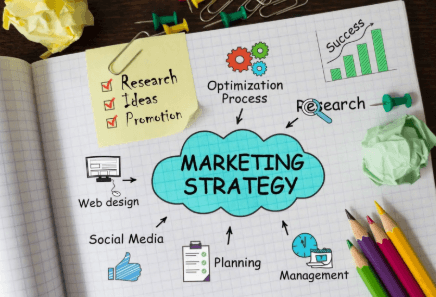
Running a small business often feels like an endless battle for attention. You have a fantastic product or service, but getting it in front of the right people remains a massive challenge. You need smart, effective ways to reach your ideal customers without draining your entire operational budget. Throwing money at random advertisements rarely produces sustainable results. Instead, you need a cohesive plan that builds trust, drives traffic, and converts casual browsers into loyal brand advocates.
This comprehensive guide breaks down the exact marketing strategies that drive real, measurable commercial growth. You will learn how to build a strong digital foundation that attracts organic traffic year-round. We will explore budget-friendly tactics that maximize your return on investment. Furthermore, we will examine how your geographic location impacts your global reach, and why tracking your data guarantees better decision-making. Read on to discover the actionable steps you can take to elevate your brand and dominate your target market.
Build a Strong Digital Marketing Foundation
A beautiful website means very little if nobody can find it. Your digital marketing foundation dictates how easily potential customers discover your brand online. You must establish a prominent digital presence across search engines, content platforms, and social media networks.
Search Engine Optimization (SEO)
Search Engine Optimization (SEO) stands as the most critical pillar of digital marketing. When a consumer faces a problem, they immediately turn to search engines for a solution. If your website does not appear on the first page of those search results, you lose countless sales to your competitors. SEO ensures your digital storefront remains visible, relevant, and highly authoritative.
Start by conducting thorough keyword research. Identify the exact phrases and questions your target audience types into search bars. Once you know these terms, naturally integrate them into your website headers, product descriptions, and blog posts. You must also optimize the technical aspects of your website. Ensure your pages load quickly, display perfectly on mobile devices, and feature secure encryption. A technically sound, keyword-rich website signals to search algorithms that your brand offers genuine value to users.
High-Value Content Marketing
Content marketing works hand-in-hand with your SEO efforts. Modern consumers ignore aggressive sales pitches. They want educational, entertaining, and highly informative content that helps them make confident purchasing decisions. By publishing high-quality content, you position your brand as a trusted industry authority.
Create a diverse content strategy that addresses your customers’ specific pain points. Write detailed blog posts, record instructional videos, and design visually appealing infographics. For instance, if you sell accounting software, publish a comprehensive guide on managing small business taxes. When you freely share your expertise, you build immense goodwill with your audience. This trust eventually translates into long-term customer loyalty and increased sales conversions.
Engaging Social Media Marketing
Social media platforms provide a direct line of communication to your target demographic. However, many small business owners make the mistake of trying to maintain a presence on every single network. You do not need to be everywhere at once. You simply need to be highly active where your ideal customers actually spend their time.
Identify which platforms align best with your specific industry. If you run a visually driven business like a bakery or an interior design firm, focus heavily on Instagram and Pinterest. If you offer professional business-to-business (B2B) services, direct your energy toward LinkedIn. Post consistently, engage directly with your followers, and use targeted advertising features to boost your reach. Social media allows you to humanize your brand, showcase your company culture, and foster a vibrant community around your products.
Navigating Local vs. Global Marketing Strategies
As your small business grows, you must decide where to focus your marketing efforts geographically. Should you dominate your immediate neighborhood, or should you expand your reach across international borders? The answer depends entirely on your business model, your logistical capabilities, and your long-term growth objectives.
Dominating Your Local Market
Local marketing strategies work exceptionally well for brick-and-mortar stores and region-specific service providers. If you own a local coffee shop or a plumbing company, advertising to people thousands of miles away wastes your marketing budget. You need to capture the attention of consumers located right in your backyard.
Start by claiming and optimizing your Google Business Profile. This free tool ensures your company appears in local search results and mapping applications. Encourage your satisfied customers to leave positive online reviews, as these heavily influence local purchasing decisions. You should also partner with other local businesses to cross-promote your services. Sponsoring community events or hosting local workshops builds strong neighborhood ties and establishes your brand as a pillar of the community.
Expanding Your Reach Globally
If you sell digital products, software, or easily shippable goods, global expansion offers massive revenue potential. Global marketing requires a much broader approach. You must understand different cultural nuances, adapt your messaging for various languages, and navigate complex international trade regulations. Your physical operational base also plays a massive role in your international marketing success.
Strategic entrepreneurs actively seek out jurisdictions that support frictionless global trade. A business-friendly environment allows you to reinvest more capital into international advertising campaigns. For example, when ambitious founders Register a company in Hong Kong, they instantly gain a massive strategic advantage. This premier financial hub offers a highly favorable territorial tax system, minimal bureaucratic red tape, and direct access to booming Asian markets. Choosing the right corporate jurisdiction frees up your marketing budget and gives your brand tremendous international credibility.
Implement Budget-Friendly Marketing Tactics
You do not need a multi-million-dollar advertising budget to generate massive sales. Many of the most effective marketing strategies cost very little to implement. By focusing on high-ROI, budget-friendly tactics, small businesses can easily compete with massive corporate giants.
High-Converting Email Marketing
Email marketing remains one of the most profitable channels available to modern businesses. Unlike social media platforms, where algorithms dictate who sees your posts, you completely own your email subscriber list. This direct line to your audience guarantees your message lands straight in their personal inbox.
Focus heavily on capturing email addresses from your website visitors. Offer a valuable incentive, such as a free downloadable guide or a discount code, in exchange for their contact information. Once they subscribe, send them a highly engaging sequence of automated emails. Share your brand story, highlight your best products, and offer exclusive subscriber-only promotions. Segment your email list based on customer behavior to ensure you always send the most relevant, highly targeted messages possible.
Powerful Referral Programs
Your current happy customers represent your most valuable marketing asset. People trust recommendations from their friends and family far more than they trust corporate advertisements. A structured referral program incentivizes your existing buyers to spread the word about your brand.
Create a simple, easy-to-understand referral system. Offer your current customers a significant discount, store credit, or a free gift every time they successfully refer a new buyer. You must also reward the new buyer to encourage their first purchase. This double-sided incentive structure creates a powerful viral loop. Referral programs cost virtually nothing to launch, and you only pay the reward when a successful sale actually occurs. This guarantees a massive return on your initial investment.
You Should Also Read : TechAiTech
Embrace Data-Driven Decision Making
Guesswork has no place in modern marketing. If you rely on gut feelings to guide your promotional campaigns, you will inevitably waste significant amounts of money. You must embrace data-driven decision making to ensure every marketing dollar works as hard as possible. Analytics tools provide crystal-clear insights into exactly what works and what fails miserably.
Tracking the Right Metrics
You must install comprehensive analytics software on your website immediately. Google Analytics offers a powerful, free solution for tracking your digital performance. However, you must focus on the correct metrics. Tracking “vanity metrics” like social media likes or total page views tells you very little about your actual commercial success.
Instead, monitor your conversion rates, your customer acquisition costs (CAC), and your customer lifetime value (LTV). You need to know exactly how much money it costs to acquire a new buyer through a specific channel. If you spend fifty dollars on Facebook ads to acquire a customer who only spends twenty dollars, that campaign is actively destroying your profit margins. Tracking hard financial metrics ensures you only scale profitable marketing initiatives.
Adapting Your Strategy
Data allows you to pivot quickly when market conditions shift. If your analytics reveal that your email marketing campaigns generate a massive return while your paid search ads lose money, you know exactly what to do. You cut the funding to the failing ads and double your investment in your email software.
You must also use data to run A/B tests continuously. Test different email subject lines, landing page headlines, and advertisement images. Let your audience’s actual behavior dictate your final marketing decisions. By actively monitoring your data and adapting your strategy accordingly, you create a highly efficient, self-optimizing marketing machine.
Frequently Asked Questions About Small Business Marketing
Navigating the complex world of promotional strategy naturally brings up several common questions. Here are the most frequent queries small business owners have regarding marketing execution.
How much should a small business spend on marketing?
Most industry experts recommend allocating between seven and eight percent of your gross revenue to marketing if your business generates less than five million dollars annually. However, if you are a brand-new startup looking to scale aggressively, you may need to push that budget closer to twelve or fifteen percent during your first year.
Which social media platform is best for my business?
The “best” platform depends entirely on your target demographic. If you target young consumers, focus on TikTok and Instagram. If you sell B2B services, prioritize LinkedIn. Analyze where your specific ideal customers spend their time online, and focus your energy exclusively on those one or two networks.
How long does it take to see results from SEO?
SEO is a marathon, not a sprint. It typically takes between three to six months to begin seeing noticeable increases in organic search traffic. However, the results compound over time. Once you secure top rankings for valuable keywords, you will receive free, highly targeted traffic for years to come.
Does email marketing still work?
Absolutely. Email marketing consistently delivers the highest return on investment of any digital channel. It allows you to bypass unpredictable social media algorithms and communicate directly with people who have already expressed genuine interest in your brand.
How can I market my business with no money?
If you lack financial capital, you must invest your time. Focus heavily on organic content marketing, basic local SEO, and grassroots community networking. Reach out to complementary businesses for cross-promotional partnerships, and maximize your efforts on building a robust, highly active customer referral program.
Take Action on Your Marketing Strategy
Effective marketing requires consistent execution and a willingness to adapt. You cannot expect to publish one blog post or run one advertisement and suddenly double your revenue. You must build a resilient digital foundation, leverage budget-friendly tactics like email and referrals, and let hard data guide your every decision.
Remember that global expansion remains a viable option for ambitious small businesses. By utilizing international digital channels and selecting a strategic operational base, you can rapidly scale your brand beyond your local borders. Stop relying on random promotional tactics. Document your strategy, analyze your audience, and execute your marketing plan with absolute precision. Start optimizing your digital presence today, and watch your small business transform into a highly profitable enterprise.