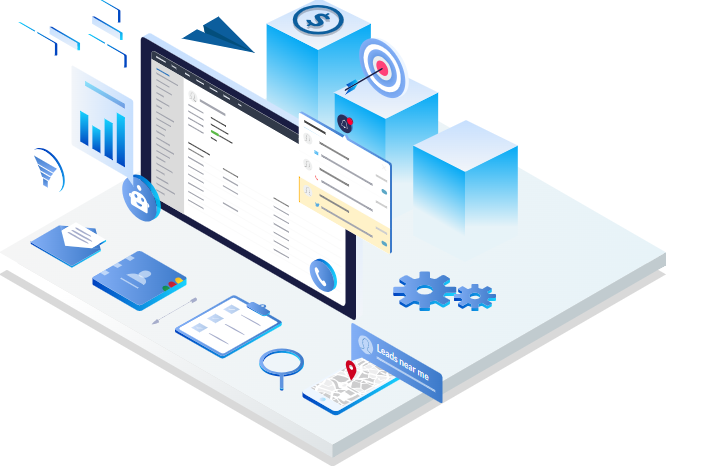
CRM software serves as a vital tool for managing customer relationships in a structured and efficient manner. Its functionalities encompass tracking interactions, analyzing data, and streamlining communication. Organizations leverage these systems to enhance customer engagement and optimize sales processes. However, the effectiveness of CRM software relies heavily on its features and the specific needs of a business. Understanding these nuances is essential to harnessing its full potential. What factors should businesses consider in their selection process?
What Is CRM Software?
Customer Relationship Management (CRM) software serves as a comprehensive tool designed to facilitate the management of a company’s interactions with current and potential customers.
This software enables efficient tracking of customer relationships through robust data analysis and reporting.
Additionally, effective software integration allows companies to streamline processes, ensuring a seamless flow of information across departments, ultimately enhancing customer engagement and satisfaction.
Key Features of CRM Systems
When evaluating the effectiveness of CRM systems, it becomes evident that they encompass several key features essential for optimizing customer interactions and data management.
Notably, robust customer engagement tools facilitate personalized communication, while sales automation functionalities streamline processes, enhancing efficiency.
These features collectively empower organizations to manage relationships effectively, ensuring a holistic view of customer data and interactions throughout the sales cycle.
Benefits of Using CRM Software
Utilizing CRM software offers organizations a multitude of advantages that significantly enhance operational efficiency and customer satisfaction.
Key benefits include improved customer retention through personalized interactions and targeted marketing efforts.
Additionally, sales automation streamlines processes, allowing teams to focus on high-value activities.
This combination fosters deeper customer relationships while optimizing resource allocation, ultimately leading to increased profitability and sustainable business growth.
See also: Cloud Security: What You Need to Know
Choosing the Right CRM for Your Business
How can businesses ensure they select the most suitable CRM software to meet their unique needs? A thorough business requirements analysis is essential, allowing organizations to identify specific operational demands.
Conclusion
In conclusion, CRM software serves as the backbone of customer relationship management, seamlessly weaving together interactions and data to create a rich tapestry of insights. By harnessing its key features, businesses can unlock numerous benefits that drive growth and enhance customer satisfaction. Choosing the right CRM is akin to selecting the right tool for a craftsman; it enables precision and efficiency, ultimately shaping the success of an organization in a competitive landscape.